
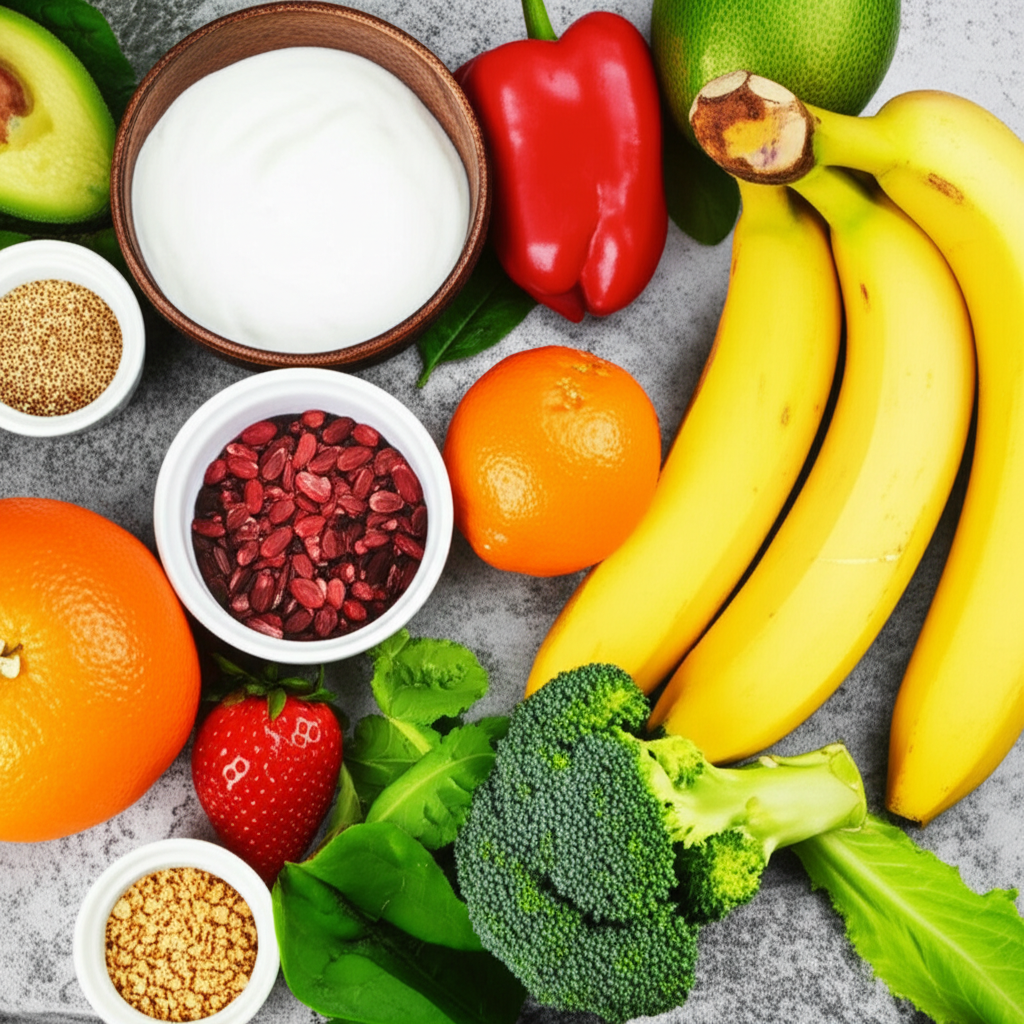
Maintaining a healthy gut is essential for overall well-being, as it plays a crucial role in digestion, nutrient absorption, immune function, and even mental health. If you’re experiencing digestive discomfort or simply want to boost your body’s natural defenses, improving your gut health should be a top priority. Fortunately, there are proven ways to support and enhance the balance of your gut microbiome, leading to better digestion and a healthier you. In this article, we will explore 10 proven ways to improve gut health for better digestion that you can easily incorporate into your daily routine.
Focus on a Balanced, Fiber-Rich Diet
Your diet has the most direct influence on your gut health. Eating a balanced diet rich in fiber provides fuel for the beneficial bacteria living in your digestive tract, helping them thrive and maintain a healthy balance.
Include a variety of fiber sources such as:
- Fruits like apples, berries, and pears
- Vegetables such as broccoli, carrots, and leafy greens
- Whole grains including oats, barley, and brown rice
- Legumes like beans, lentils, and chickpeas
- Nuts and seeds
These foods contain prebiotics, which act as food for probiotics, enhancing your gut’s microbial diversity and functionality.
Incorporate Probiotics into Your Diet
Probiotics are live beneficial bacteria that help balance the gut microbiome. They can be found naturally in fermented foods or taken as dietary supplements. Introducing probiotics can promote digestive health, reduce inflammation, and improve immune response.
Some excellent probiotic-rich foods include:
- Yogurt with live cultures
- Kefir
- Sauerkraut
- Kimchi
- Tempeh
- Miso
Regular consumption of these foods supports a thriving community of beneficial bacteria that enhances digestion and nutrient absorption.
Manage Stress and Prioritize Sleep
An often overlooked factor in gut health is stress. Chronic stress can disrupt the balance of gut bacteria, increase gut permeability, and exacerbate digestive issues such as irritable bowel syndrome (IBS).
Practical ways to manage stress and improve gut health include:
- Practicing mindfulness meditation or deep breathing exercises
- Engaging in regular physical activity like walking, yoga, or swimming
- Ensuring 7–9 hours of quality sleep each night
- Reducing screen time before bed
- Building a consistent bedtime routine to promote restful sleep
By reducing stress and improving sleep quality, you create an internal environment that supports a balanced gut microbiome.
Additional Practical Tips to Support Gut Health
Besides diet and lifestyle changes, several other habits can significantly improve your gut health:
- Stay hydrated: Drinking plenty of water helps keep the digestive system running smoothly.
- Limit processed and sugary foods: These can promote harmful bacteria growth and inflammation.
- Reduce alcohol consumption: Excessive alcohol disrupts gut balance and damages the intestinal lining.
- Avoid unnecessary antibiotics: Antibiotics can destroy beneficial gut bacteria; use only when prescribed.
- Chew food thoroughly: Proper chewing supports digestion by breaking down food mechanically and mixing it with saliva.
Conclusion
Improving gut health does not require drastic lifestyle changes but rather a combination of consistent, mindful habits. By focusing on a fiber-rich diet, incorporating probiotics, managing stress, and adopting other supportive practices, you can create a healthy environment for your gut bacteria to flourish. This will not only lead to better digestion but also enhance your immune function, energy levels, and overall wellness. Start embracing these 10 proven ways to improve gut health today and enjoy the lasting benefits of a well-nourished digestive system.